About Cities Gallery Cuisine Anthem Tour Tips
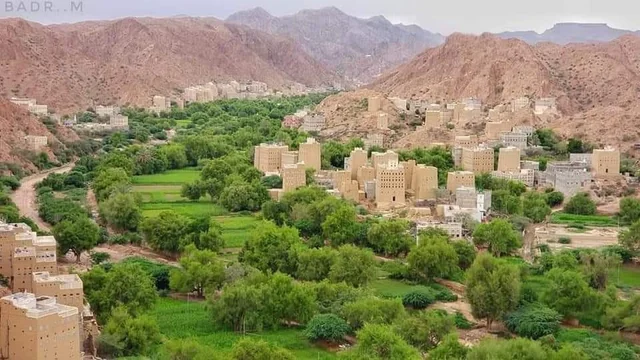
Yemen landscape panorama
🇾🇪
Discover the Arabian Peninsula's Hidden Gem

Land of the
Queen of Sheba

اليمن السعيد — Happy Yemen

Where ancient civilisations meet breathtaking landscapes — from the mystical towers of Sana'a to the alien beauty of Socotra Island.

Scroll
3,000+ Years of Recorded History
5 UNESCO World Heritage Sites
2,500+ km of Coastline
825+ Unique Species on Socotra
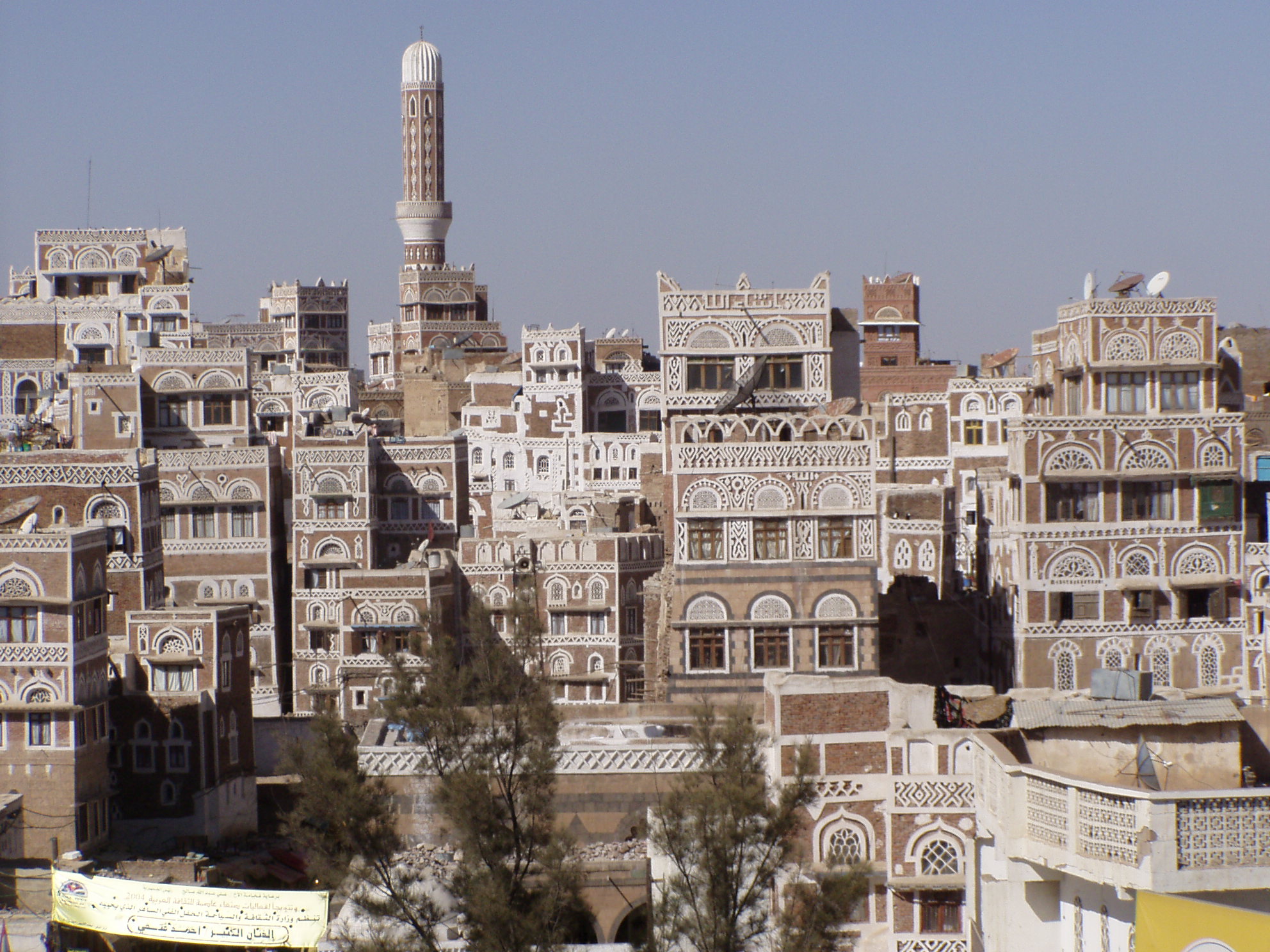
Traditional Yemen architecture
🌟 UNESCO Listed
The Ancient Land

Yemen — Arabia Felix

Known to the Romans as Arabia Felix — "Happy Arabia" — Yemen is one of the oldest inhabited regions on Earth. Civilisations flourished here millennia before the modern era, leaving behind a heritage of extraordinary depth.

From the towering mud-brick skyscrapers of Old Sana'a, a city continuously inhabited for over 2,500 years, to the otherworldly Dragon Blood Trees of Socotra, Yemen offers experiences found nowhere else on the planet.

Blessed with diverse landscapes — rugged highlands, fertile valleys, dramatic coastlines, and one of the world's most unique island ecosystems — Yemen is a destination unlike any other.

  • UNESCO Old City of Sana'a
  • Socotra Archipelago Biosphere
  • Ancient Marib Civilisation
  • Diverse Mountain Terrain
  • Rich Coffee Culture (Qishr)
  • Legendary Frankincense Trade
  • Vibrant Islamic Architecture
  • Unique Flora & Fauna
The Destinations

Iconic Yemeni Cities

Each city a world unto itself — ancient, coastal, mountainous, and extraordinary. Click a city to explore.

UNESCO Heritage Old City of Sana'a
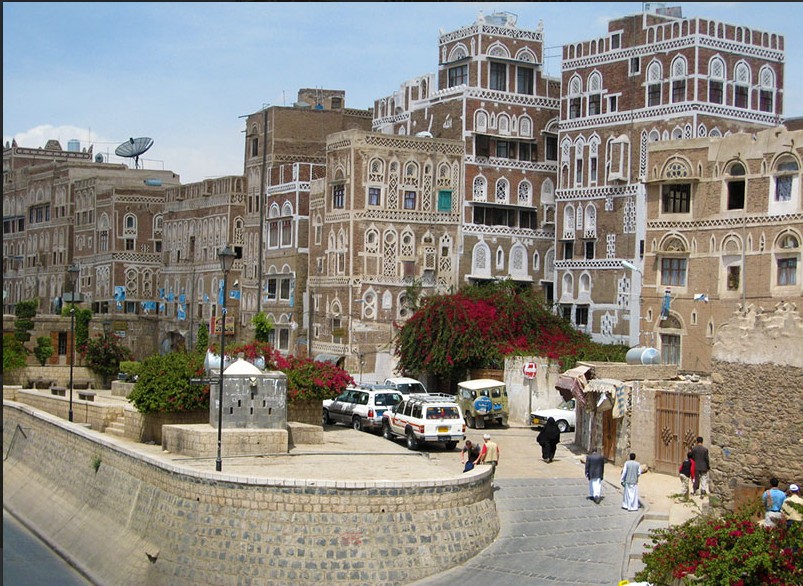
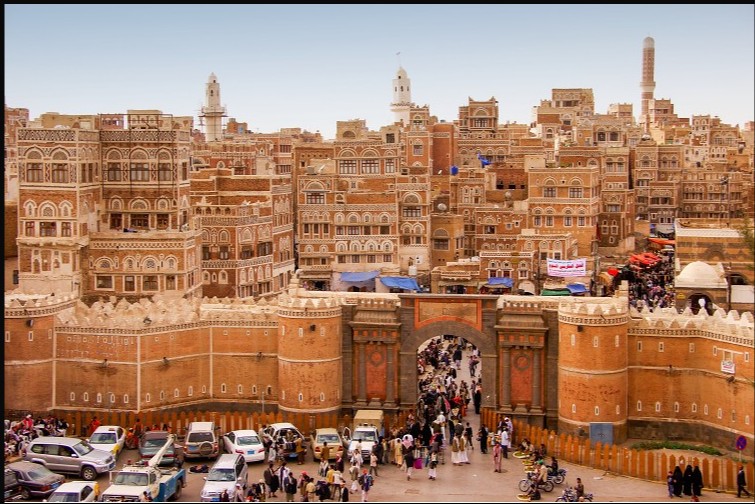
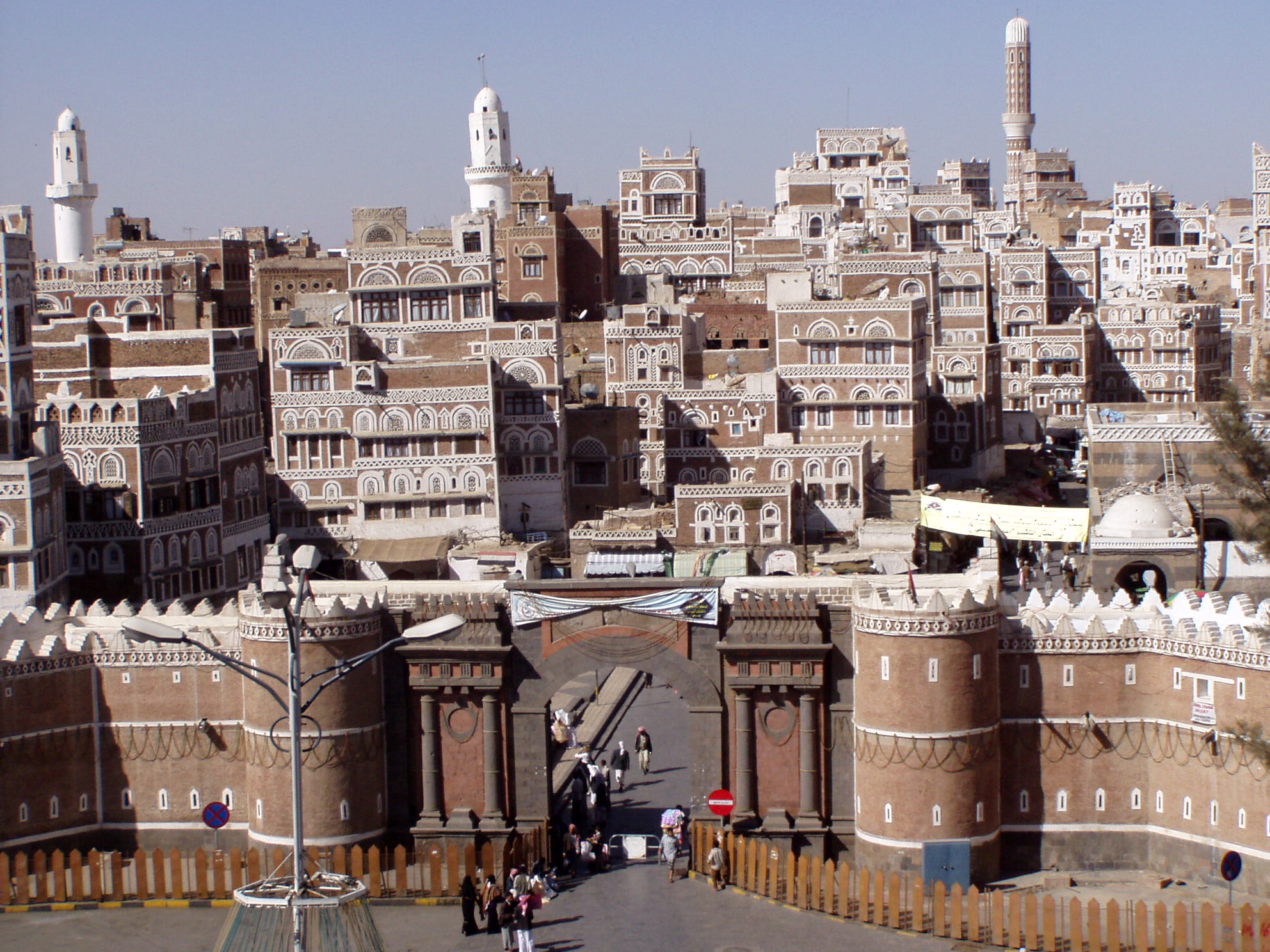
The ancient tower houses of Old Sana'a — decorated with geometric alabaster patterns, some standing for over a thousand years.

Sana'a

صنعاء
"The City Founded by Shem, Son of Noah"

One of the oldest continuously inhabited cities on Earth, Sana'a's Old City is a UNESCO World Heritage Site suspended in time. Its distinctive tower houses — rising four to nine stories — are adorned with intricate geometric friezes in alabaster and fired brick, a tradition thousands of years old.

The Great Mosque of Sana'a, one of the earliest in Islam, and the labyrinthine Bab al-Yemen marketplace offer an immersion into living history unlike anywhere else in Arabia.

Altitude
2,300 m above sea level
Founded
Pre-500 BC (continuously inhabited)
UNESCO Status
Inscribed 1986
Must-See
Bab al-Yemen, Great Mosque
▶ Virtual Tour — Old Sana'a
Historic Port Aden harbour and volcano
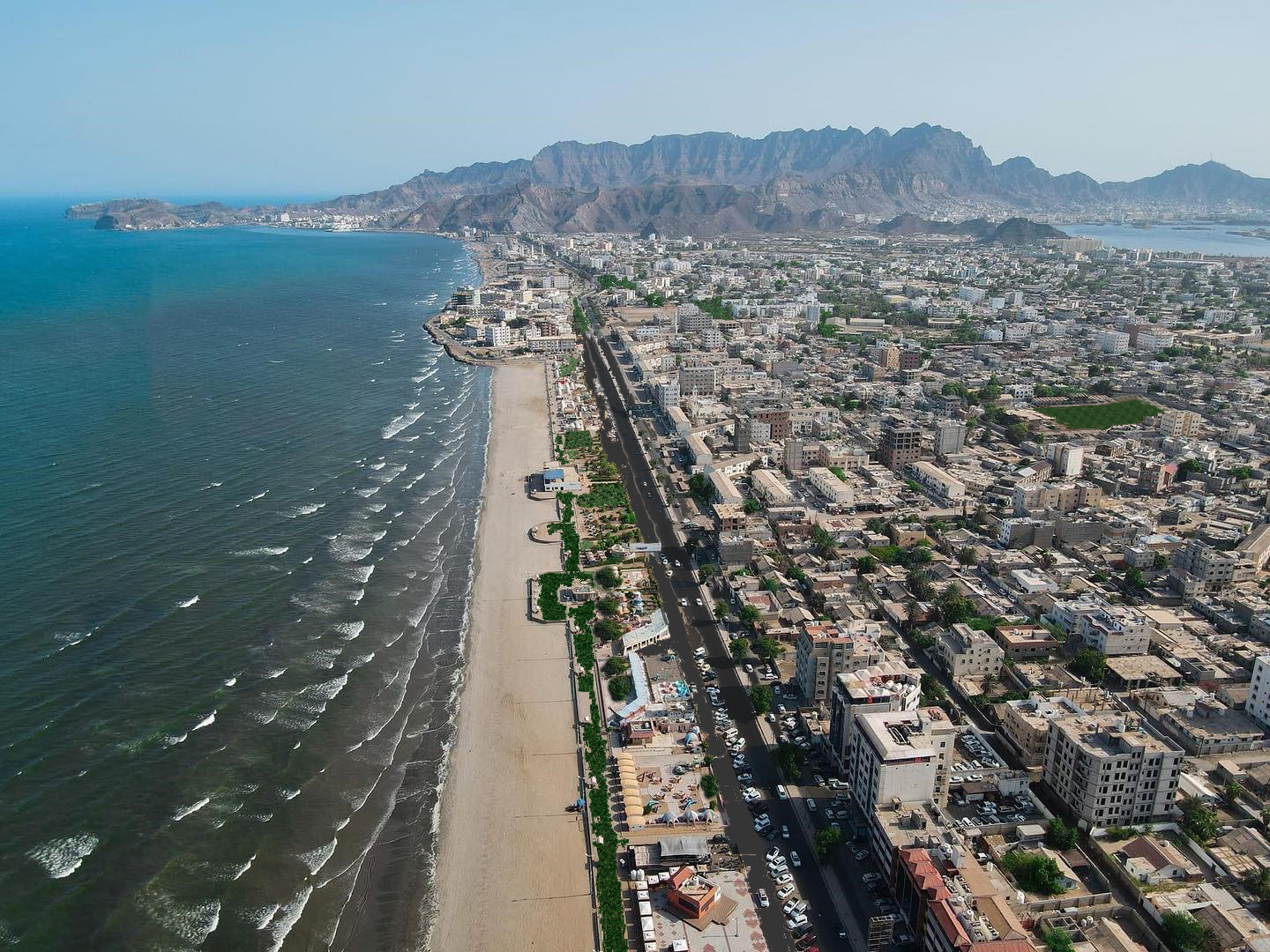
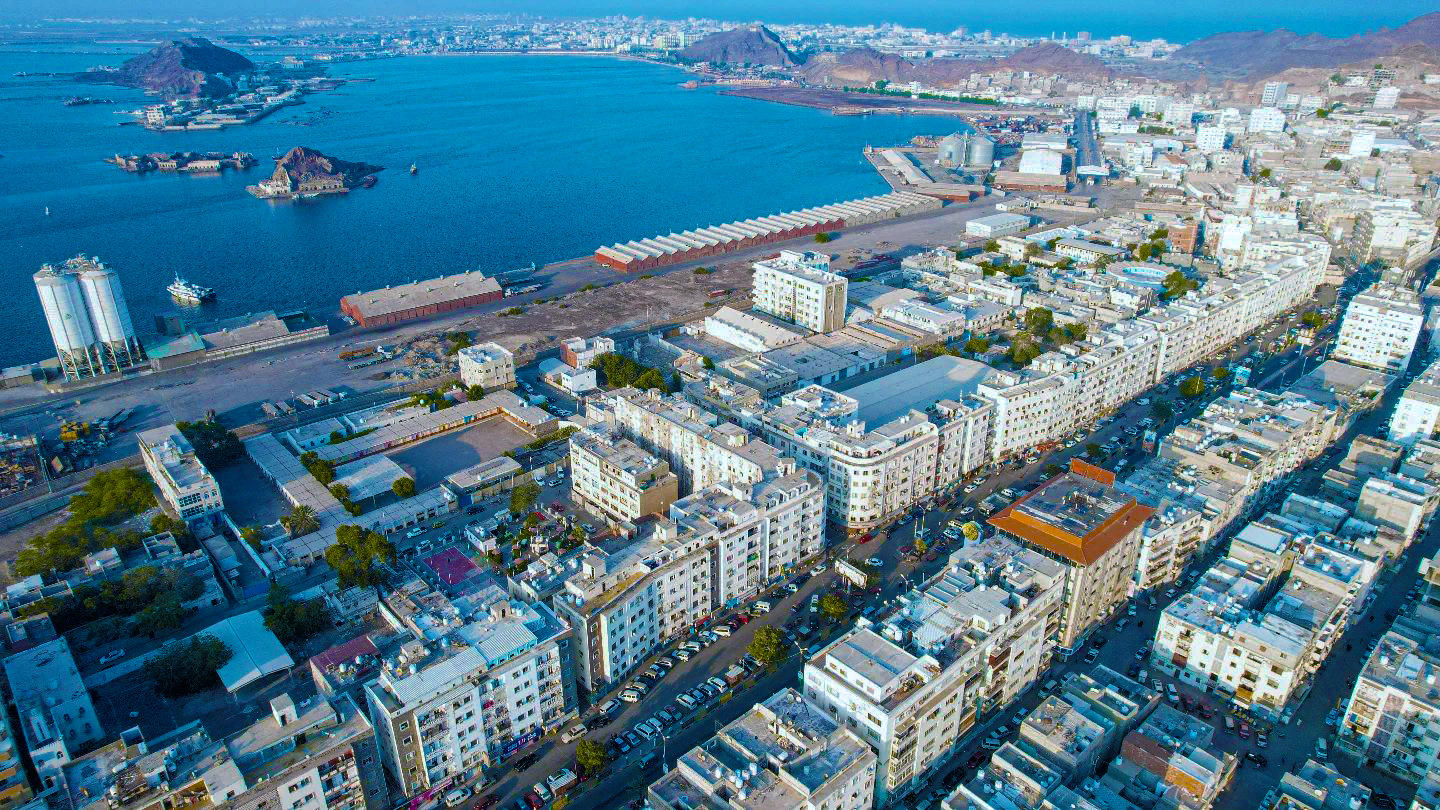
Aden's natural harbour — one of the world's great ports, set inside the crater of an ancient extinct volcano.

Aden

عدن
"The Pearl of the Arabian Sea"

Built inside and around the crater of an ancient extinct volcano, Aden boasts one of the most dramatic settings of any city in the world. Its natural harbour has been a strategic trading crossroads since antiquity.

The city blends layers of history: pre-Islamic settlements, Ottoman minarets, British colonial architecture, and a vibrant modern coastal culture. The ancient Tanks of Aden — massive cisterns carved in rock — and the colourful fish market are unmissable.

Location
Gulf of Aden coastline
Population
~1,080,000 (2023)
Famous For
Tanks of Aden, Crater district
Climate
Hot coastal, sea breezes
▶ Aden — The Pearl of the Arabian Sea
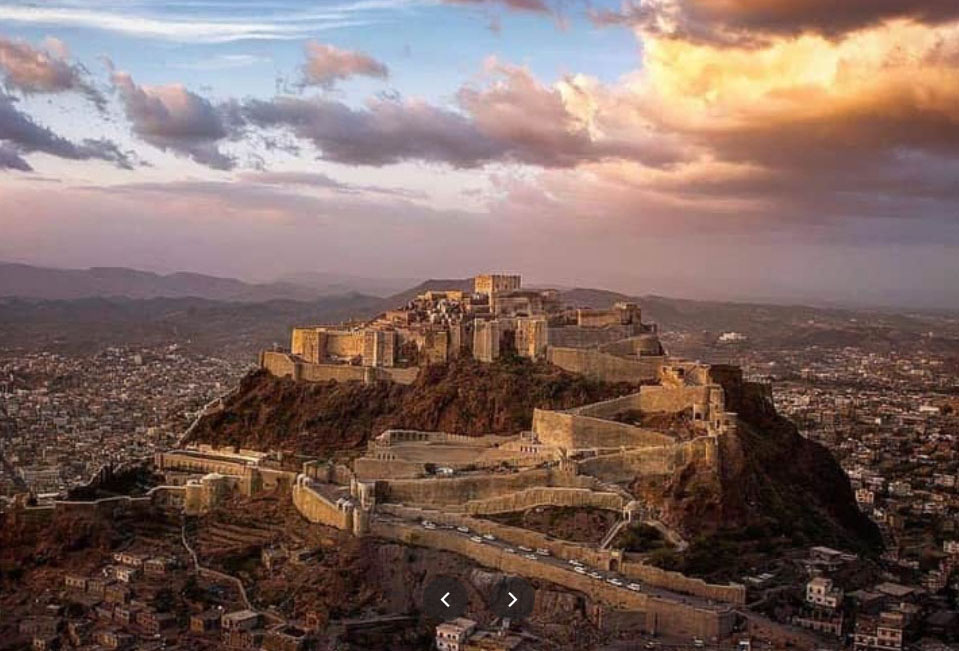
Cultural Capital Taiz — Al-Qahira Castle
Al-Qahira Castle towers above Taiz on its volcanic peak, guarding the city for centuries.

Taiz

تعز
"The Cultural Capital of Yemen"

Perched in the mountains at 1,400 metres, Taiz is Yemen's cultural and intellectual heartland. Famous for its rich literary tradition, vibrant arts scene, and some of the country's finest Islamic architecture.

The iconic Al-Qahira Castle crowns the volcanic mountain above the city, offering panoramic views stretching to the horizon. The old city bazaars overflow with traditional Yemeni crafts and silverwork.

Altitude
1,400 m above sea level
Population
~940,000 (governorate)
Famous For
Al-Qahira Castle, arts & culture
Specialty
Yemeni coffee & silverwork
▶ Exploring Taiz — Yemen's Cultural Heart
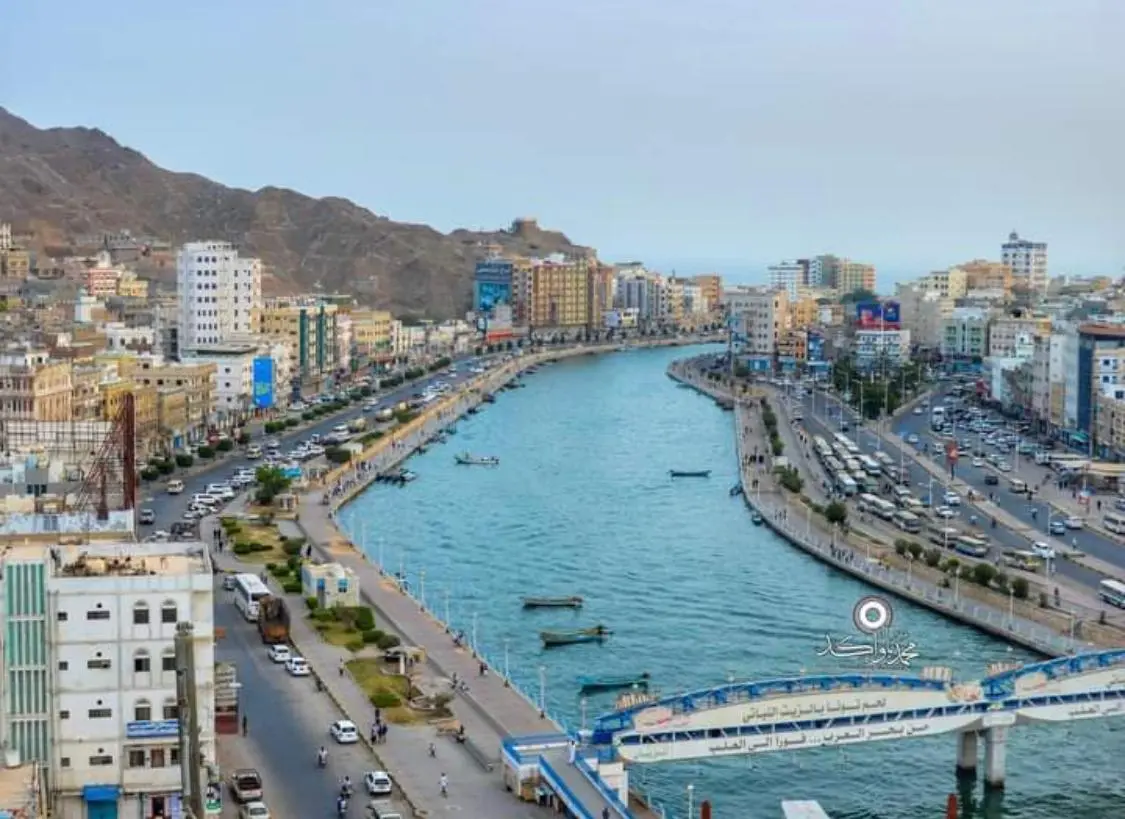
Historic Port City Al-Mukalla coastal city
Al-Mukalla's stunning waterfront — the capital of Hadhramaut, where the Arabian Sea meets ancient Yemeni coastal architecture.

Al-Mukalla

المكلا
"Capital of the Largest Governorate in Yemen"

Al-Mukalla is the capital of Hadhramaut Governorate — the largest governorate in Yemen, covering approximately 36% of the country's total area. Situated along the Arabian Sea, it is one of Yemen's most significant port cities, with a maritime history stretching back over a thousand years.

First recorded as a seaport in 1035 CE, the city was formally developed and fortified by King Al-Muzaffar of the Rasulid dynasty in 1271 CE. It rose to greatness when the Qu'aiti Sultanate made it their capital in 1915 CE, establishing the royal seat of government here. The port remains one of the most important maritime gateways in Yemen to this day.

Governorate
Hadhramaut (largest in Yemen)
Founded
First recorded 1035 CE
Population
~1,028,556 (Hadhramaut)
Famous For
Major seaport, Qu'aiti Sultanate capital
▶ Al-Mukalla — Pearl of the Arabian Sea Coast
Green City Ibb — Yemen's Green City
Ibb's lush green valleys — Yemen's most fertile region, blessed with more rainfall than any other part of the country.

Ibb

إبّ
"The Green City — City of Rains"

Known as Yemen's "Green City," Ibb receives more rainfall than any other part of the country, resulting in lush, verdant landscapes that seem almost tropical. The governorate's terraced hillsides are covered in orchards, coffee groves, and vegetable gardens.

The historic town of Jiblah contains the Queen Arwa Mosque — built in 1088 AD by Yemen's legendary Queen Arwa — one of the finest examples of Fatimid-era Islamic architecture in all of Arabia.

Altitude
~2,000 m above sea level
Population
~772,000 (2023)
Historic Site
Queen Arwa Mosque (1088 AD)
Climate
Most rainfall in Yemen
▶ Ibb — Yemen's Garden City
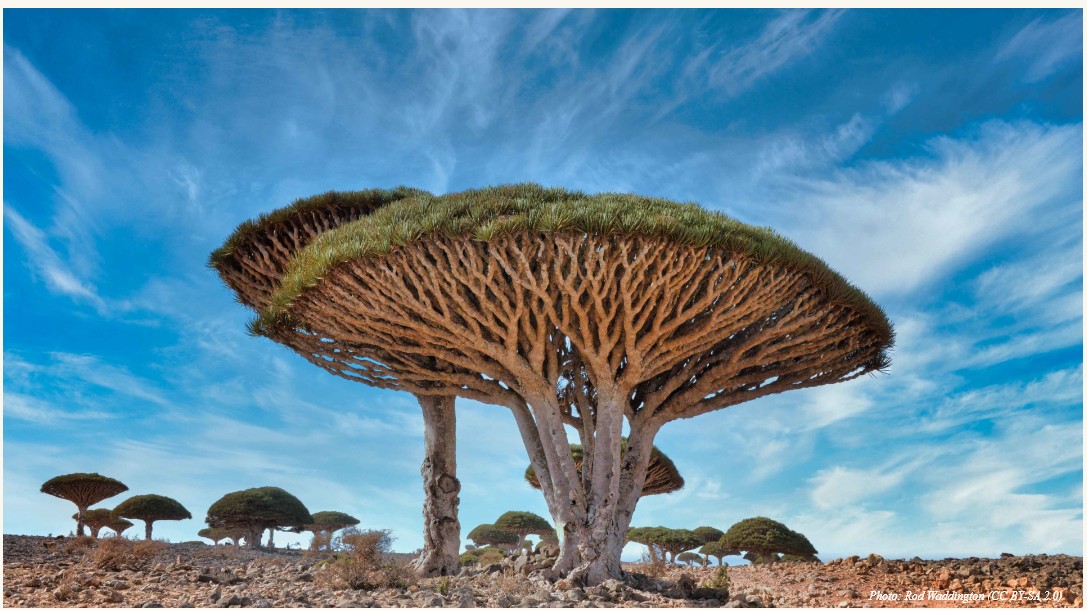
Natural Wonder Dragon Blood Trees, Socotra Island
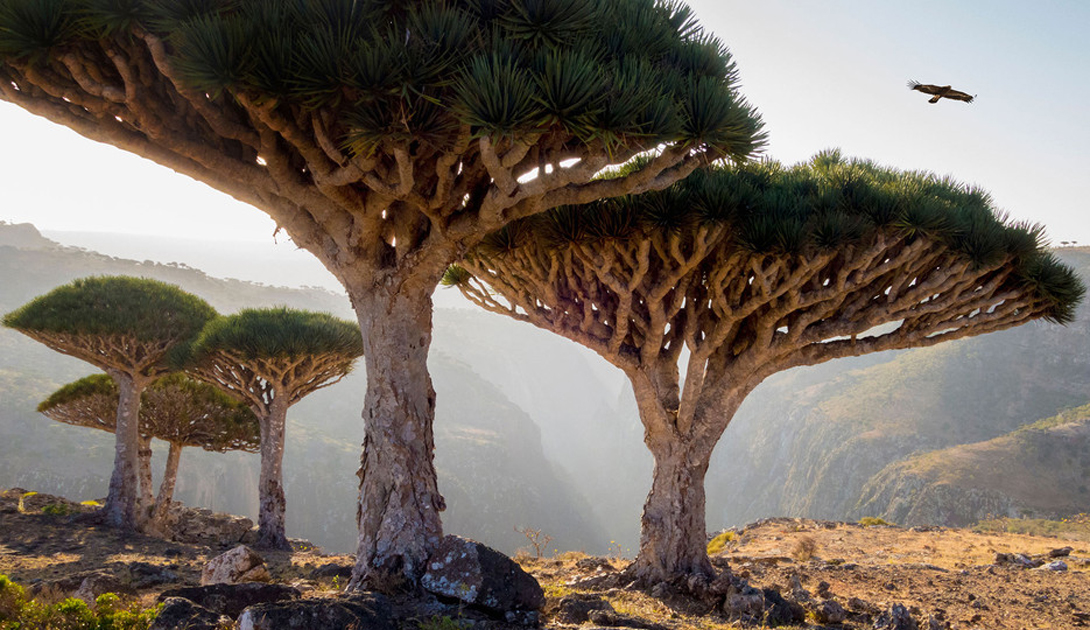
The iconic Dragon Blood Trees of Socotra — their umbrella-shaped canopies have evolved in isolation for millions of years.

Socotra Island

سُقُطْرَى
"The Galápagos of the Indian Ocean"

Often described as the most alien-looking place on Earth, Socotra is a UNESCO World Heritage Site of extraordinary biodiversity. Isolated for millions of years, over a third of its flora is entirely unique to the island.

The legendary Dragon Blood Tree (Dracaena cinnabari), with its surreal umbrella canopy and crimson resin, is the island's iconic symbol. Alongside pristine white-sand beaches and turquoise lagoons, Socotra represents one of Earth's last true natural wonders.

Location
Indian Ocean Archipelago
UNESCO Status
Inscribed 2008
Unique Species
825+ (37% endemic)
Best Season
October – April
▶ Socotra — Earth's Most Alien Island
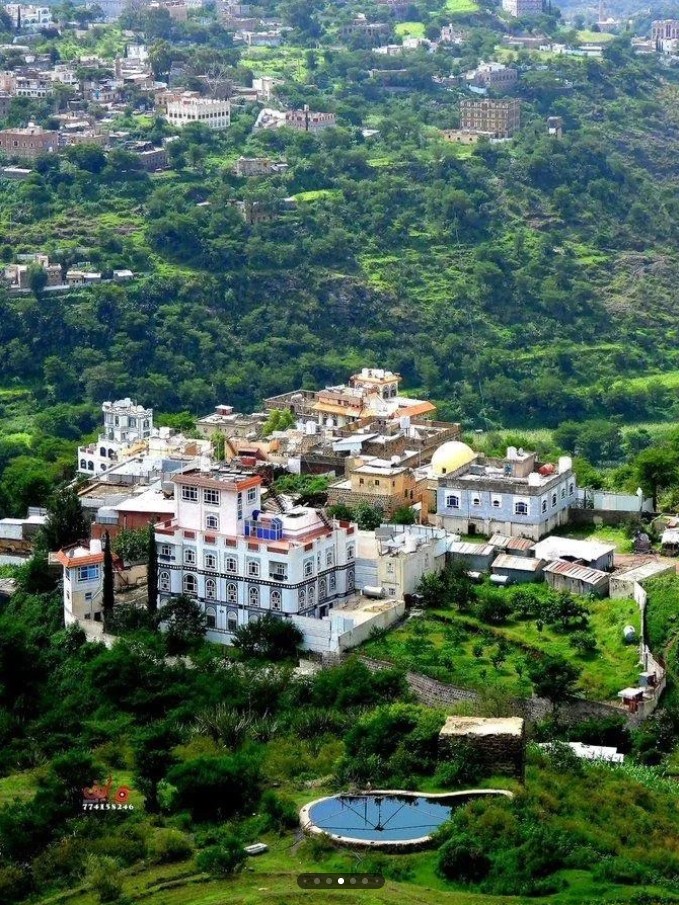
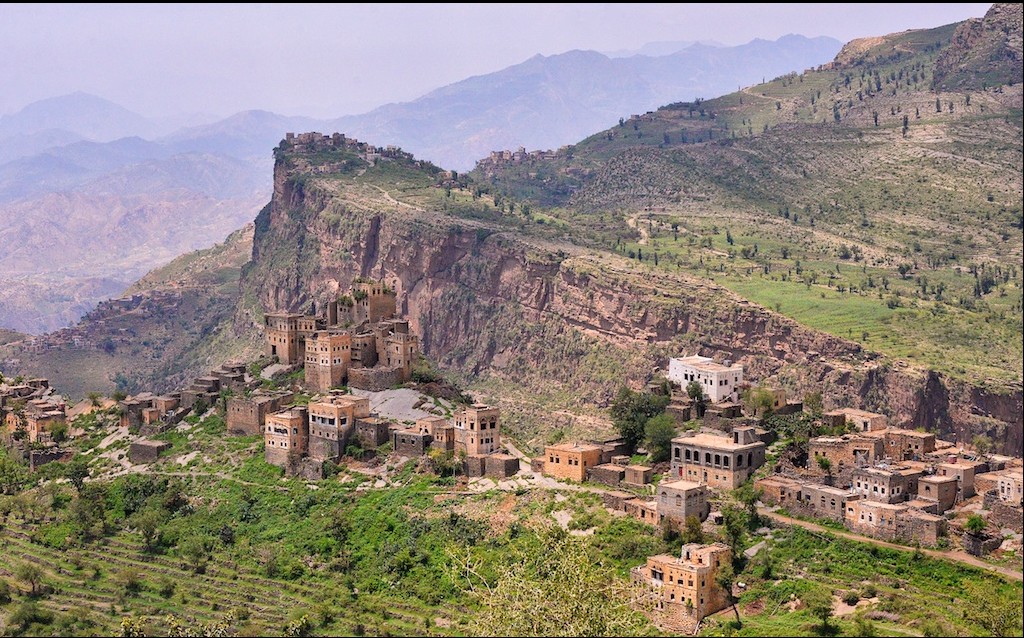
Mountain Jewel Al-Mahwit mountain terraces
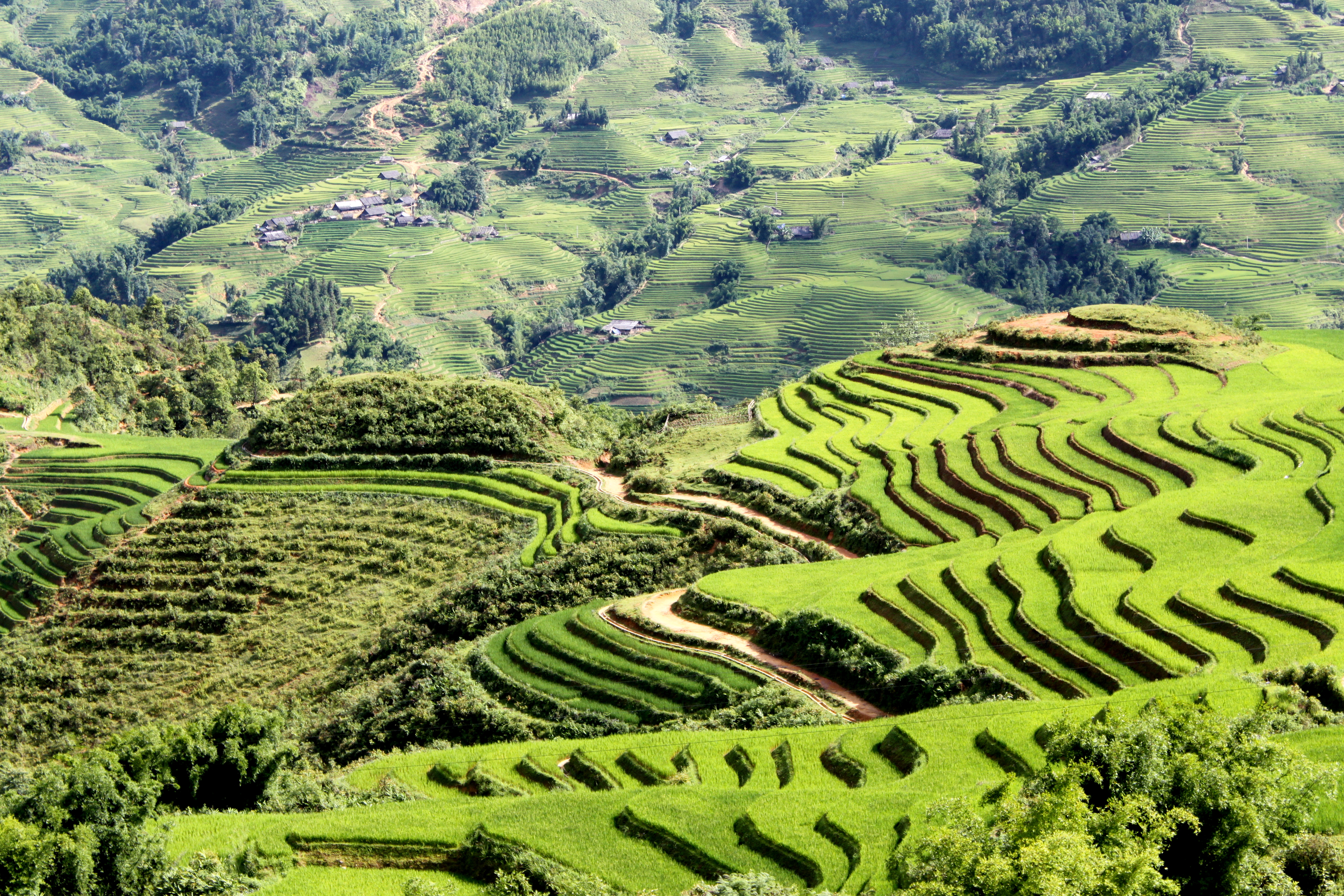
Ancient terraced hillsides of Al-Mahwit — stone terraces cascading down precipitous mountains, maintained for thousands of years.

Al-Mahwit

المحويت
"The Crown of Yemen's Western Highlands"

Nestled in the heart of Yemen's western highlands at over 2,200 metres, Al-Mahwit is one of the country's most dramatically beautiful governorates, defined by ancient terraced agriculture — stone-walled terraces cascading down precipitous hillsides.

Villages cling to mountain ridges, connected by ancient stone paths. The region is known for its traditional architecture, cool mountain climate, extraordinary biodiversity, and the warmth of its community.

Altitude
2,200+ m above sea level
Known For
Terraced farming, architecture
Climate
Cool mountain, seasonal rain
Distance from Sana'a
~110 km north-west
▶ Yemen's Breathtaking Mountain Highlands
UNESCO Heritage Shibam — Manhattan of the Desert
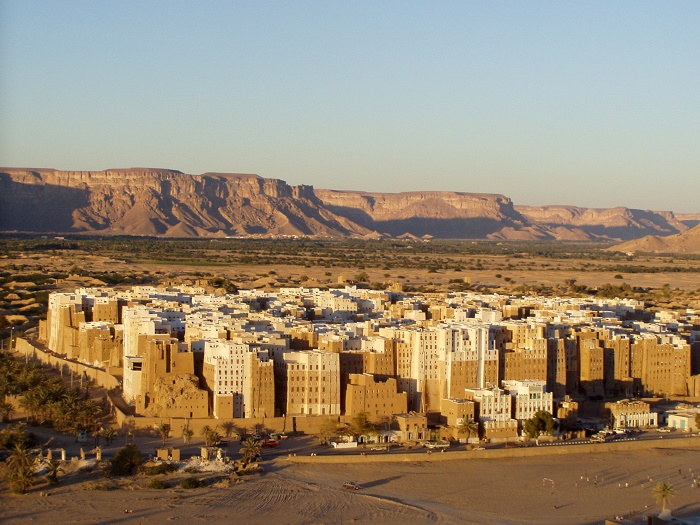
The remarkable mud-brick tower houses of Shibam rise up to seven storeys from the desert floor of Wadi Hadramaut — a medieval skyline like no other.

Shibam

شبام
"The Manhattan of the Desert"

The 16th-century walled city of Shibam, rising dramatically from the cliff edge of Wadi Hadramaut, has been famously described as the "Manhattan of the Desert." Located at an ancient caravan halt on the spice and incense route across the Southern Arabian plateau, its tower houses — reaching up to seven storeys — were built on a fortified rectangular grid of streets and squares that remains essentially intact to this day.

Built on a rocky spur several hundred metres above the wadi bed, Shibam superseded an earlier settlement partly destroyed by a massive flood in 1532–3. The Friday Mosque dates largely from the 9th–10th century and the castle from the 13th century, though the earliest settlement originated in the pre-Islamic period. It became the capital of Hadramaut after the destruction in AD 300 of the earlier capital Shabwa. The dense layout of contiguous tower houses within the outer walls expressed an urban response to the need for refuge, protection, and the display of economic and political prestige by rival families.

UNESCO Status
World Heritage Site
Construction
16th century walled city
Tower Height
Up to 7 storeys (mud-brick)
Historic Role
Capital of Hadramaut
▶ Shibam — The Manhattan of the Desert
Palace City Seiyun Palace — Hadhramaut
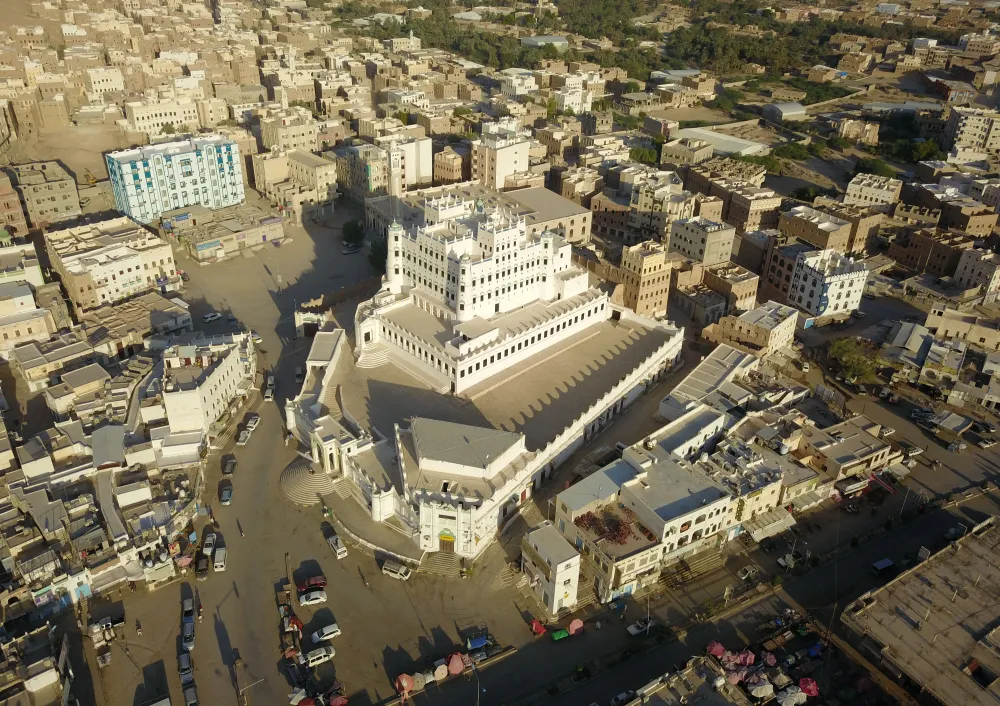
The magnificent Seiyun Palace — a seven-storey mud-brick fortress and royal residence of the Kathiri Sultans, overlooking the Hadhramaut Valley.

Seiyun

سيئون
"Jewel of the Hadhramaut Valley"

Seiyun is the principal urban hub of Wadi Hadramawt, first mentioned in the 4th century during the reign of King Dhamar. Emerging as a village during the era of the Rashidun Caliphate, it rose to prominence in 1501 when it became the capital of the valley under Badr Abu Tuwairq. In 1852, it became the capital of the Kathiri Sultanate within the British Aden Protectorate.

The city's crown jewel is the magnificent Seiyun Palace — a seven-storey mud-brick fortress built in the 1920s as the seat of the Kathiri Sultans. One of the world's largest earthen structures, covering approximately 5,460 square metres with 45 principal rooms, it showcases extraordinary Yemeni mud-brick craftsmanship, intricate wall engravings, and carved wooden doors. Depicted on Yemen's 1,000-riyal banknote, it now operates as an archaeological museum following comprehensive restoration completed in 2025.

Location
Wadi Hadramawt, eastern Yemen
Historic Role
Capital of Kathiri Sultanate (1852)
Famous For
Seiyun Palace (7-storey mud-brick)
Palace Size
5,460 m² — 45 principal rooms
▶ Seiyun — Jewel of the Hadhramaut Valley
Fog Oasis Hawf — Al-Mahra Fog Forest
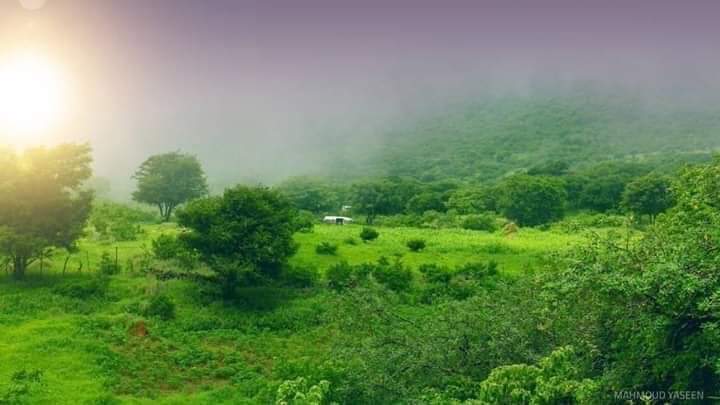
The mystical fog forests of Hawf — a rare green oasis rising from the Arabian Sea coast of Al-Mahra, unlike anywhere else in Arabia.

Hawf — Al-Mahra

حوف — المهرة
"The Fog Oasis of the Arabian Peninsula"

The Hawf region of Al-Mahra Governorate, together with the neighbouring Dhofar region of Oman, forms one of the most remarkable centres of plant diversity on the Arabian Peninsula — a lush "fog oasis" in an otherwise arid landscape. Fed by moisture-laden monsoon clouds rolling in from the Arabian Sea, Hawf sustains dense tree cover and extraordinary biodiversity found nowhere else in Yemen or Arabia.

Within Yemen, Hawf constitutes the second largest area with high tree cover and exceptional plant and animal diversity. Low population densities, concentration of settlement in urban areas, and the area's poor accessibility have so far protected this remarkable natural environment from the biodiversity decline affecting much of Arabia. A GEF-financed conservation project has been developed to establish a sustainable community-based protected area management plan for the Hawf pilot area.

Governorate
Al-Mahra, eastern Yemen
Ecosystem
Fog forest — rarest in Arabia
Biodiversity
2nd largest tree-cover area in Yemen
Conservation
GEF-protected pilot area
▶ Hawf — The Fog Oasis of Arabia
Ancient Capital Shabwa — Ancient Incense Capital
The ancient ruins of Shabwa — once the mighty capital of the Hadhramaut kingdom and a legendary hub of the frankincense trade.

Shabwa

شبوة
"The Ancient Capital of the Frankincense Kingdom"

Shabwa is one of the most historically significant sites in all of southern Arabia. In antiquity it served as the capital of the Hadhramaut kingdom — a powerful pre-Islamic state that controlled much of the lucrative frankincense and spice trade routes linking Arabia Felix to the Mediterranean world. Ancient writers described it as a walled city of extraordinary wealth, home to temples, palaces, and bustling camel caravans laden with precious resins.

The governorate of Shabwa today encompasses dramatic desert landscapes, oil fields, and a wealth of archaeological sites that speak to thousands of years of civilisation. The ancient ruins, salt mines, and the nearby Wadi Hadramaut connect Shabwa to a living heritage stretching back to the earliest recorded history of the Arabian Peninsula.

Historic Role
Capital of Hadhramaut Kingdom
Famous For
Frankincense trade, ancient ruins
Period
Pre-Islamic — 1st millennium BC
Location
Central-southern Yemen
▶ Shabwa — Ancient Capital of the Frankincense Kingdom
▶ محمية بئر علي — شبوة
Flavours of Arabia Felix

Yemeni Cuisine

Among the richest and most aromatic in the Arab world — Yemeni food is generous, fragrant, and deeply communal. Every dish tells a story of ancient spice routes and mountain traditions.

Saltah — Yemen's National Dish
🍲 National Dish

Saltah

سلتة

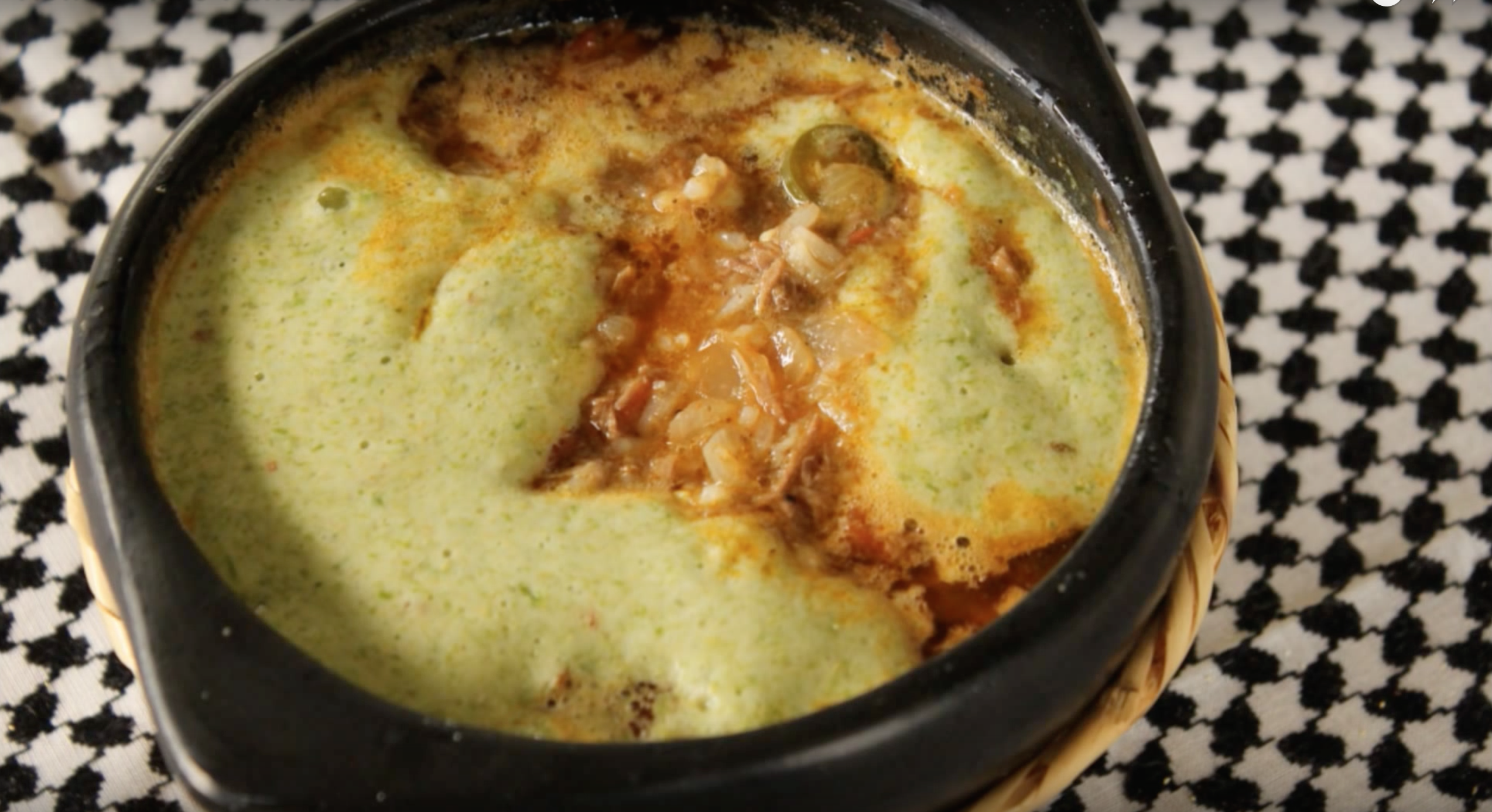
Yemen's most iconic dish — a rich stew of meat, vegetables, and fenugreek froth (hulba), served bubbling hot in a stone pot with flatbread.

Mandi — Slow-cooked Rice and Meat
🍖 Celebration Dish

Mandi

مندي

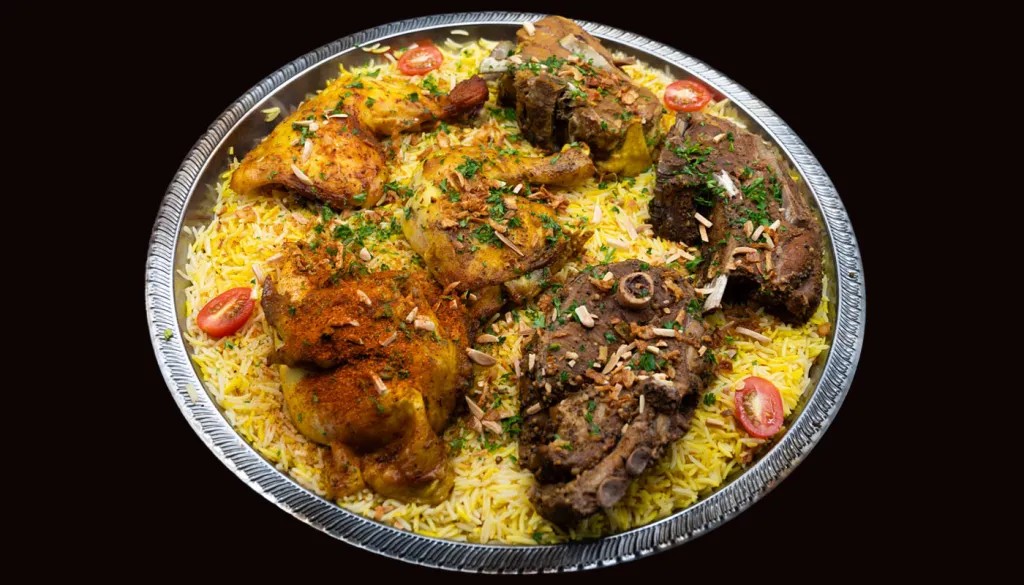
Slow-cooked lamb or chicken with spiced rice, prepared in an underground tandoor oven (tandour). Yemen's gift to the Arab culinary world.

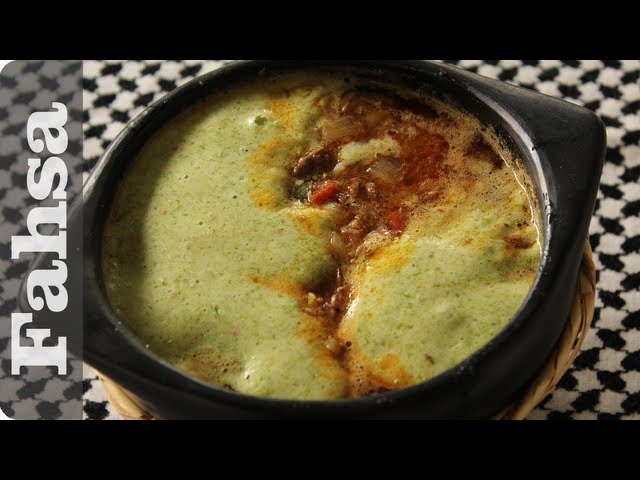
Fahsa — Slow-cooked Lamb Stew
🥩 Hadhramaut Specialty

Fahsa

فحسة

A thick, slow-cooked lamb stew seasoned with fenugreek and spices, served sizzling in a stone bowl — warming and deeply satisfying.

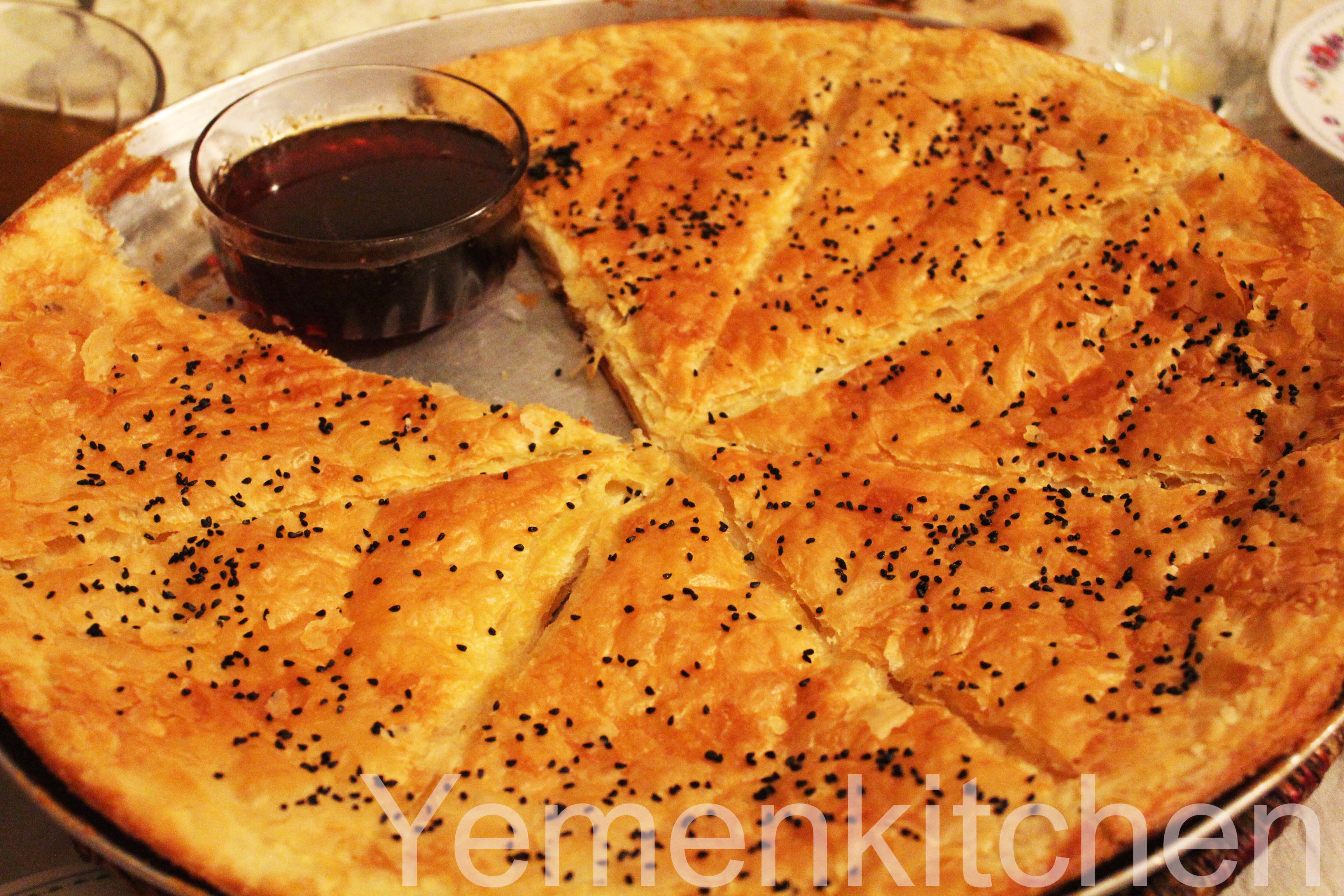
Bint al-Sahn — Honey Bread
🍯 Sweet Tradition

Bint al-Sahn

بنت الصحن

Layers of paper-thin dough baked and drizzled with pure Sidr honey and melted butter — Yemen's beloved celebratory bread dessert.

Zurbian — Spiced Rice and Lamb
🌶️ Aden Specialty

Zurbian

زربيان

A fragrant rice and lamb dish cooked together with saffron, cardamom, and spices — Aden's answer to biryani, rich with Indian Ocean influence.

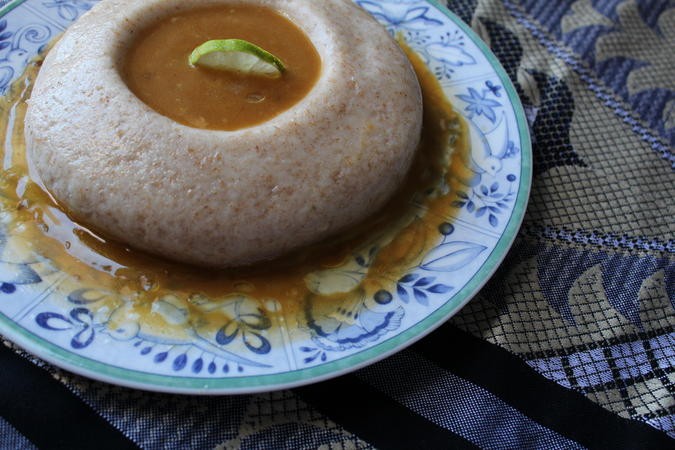
Aseed — Traditional Wheat Porridge
🌾 Ancient Staple

Aseed

عصيد

A smooth, dense wheat or sorghum porridge — one of Yemen's oldest dishes, served with meat broth or honey, eaten communally by hand from a shared bowl.

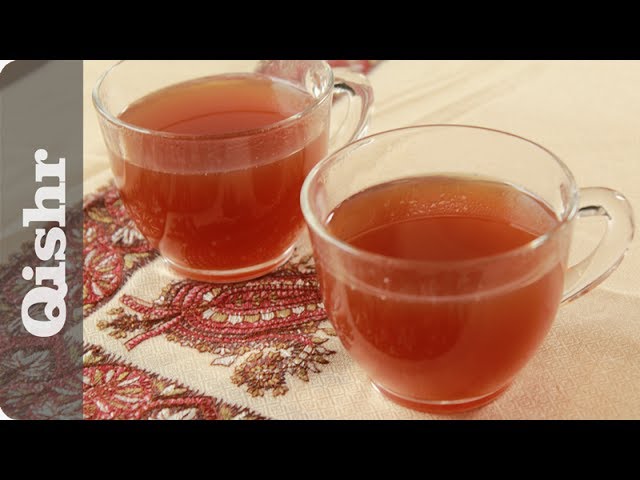
Qishr — Yemeni Spiced Coffee
☕ Yemeni Coffee

Qishr

قشر

Yemen's unique coffee drink brewed from coffee husks with fresh ginger and cardamom — warm, aromatic, and lighter than espresso. A true original.

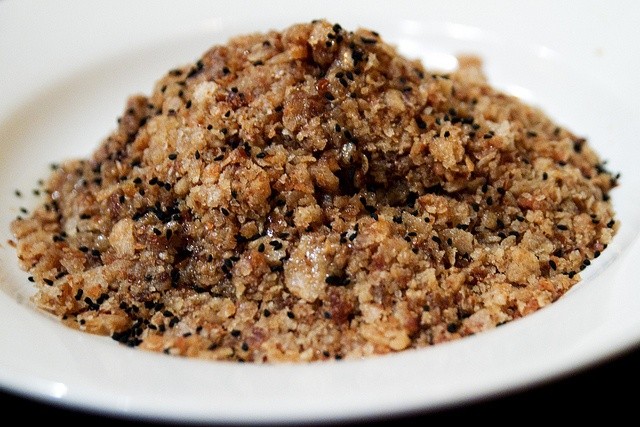
Fattah with Dates
🌴 Hadhramaut Specialty

Fattah with Dates

فتة بالتمر

A beloved Hadhramaut dish of crumbled bread layered with dates, honey, and clarified butter — rich, sweet, and deeply rooted in the traditions of the Wadi Hadramaut.

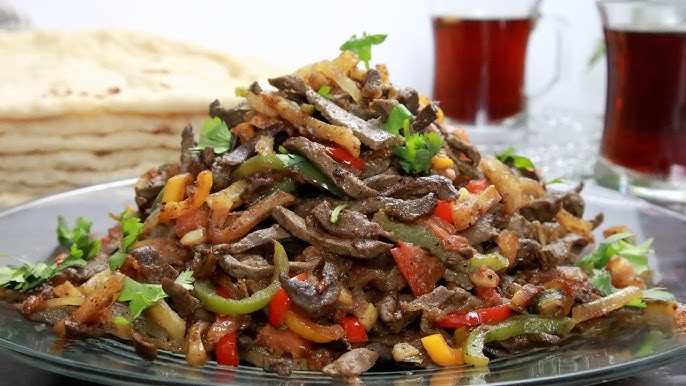
Kebda — Yemeni Liver
🥩 Street Food Classic

Kebda

كبدة

Tender spiced liver cooked with onions, tomatoes, and Yemeni spices — a popular street food and breakfast dish enjoyed across Yemen, served hot with fresh flatbread.

"To eat Yemeni food is to taste five thousand years of civilisation."

National Identity

The Yemeni National Anthem

الـنـشـيـد الـوطـنـي الـيـمـنـي

Republic of Yemen — النشيد الوطني
رَدِّدِي أَيَّتُهَا الدُّنْيَا نَشِيدِي
رَدِّدِيهِ وَأَعِيدِي وَأَعِيدِي
وَاذْكُرِي فِي فَرَحَتِي كُلَّ شَهِيدٍ
وَامْنَحِيهِ حُلَلًا مِنْ ضَوْءِ عِيدِي
وَحْدَتِي... وَحْدَتِي...
يَا نَشِيدًا رَائِعًا يَمْلَأُ نَفْسِي
أَنْتِ عَهْدٌ عَالِقٌ فِي كُلِّ ذِمَّةٍ
رَايَتِي... رَايَتِي...
يَا نَسِيجًا حَاكَتْهُ مِنْ كُلِّ شَمْسٍ
اخْلُدِي خَافِقَةً فِي كُلِّ قِمَّةٍ
Repeat, O World, my song. Echo it over and over again.
Remember, through my joy, each martyr.
Clothe him with the shining mantles of our festivals.
In faith and love I am part of mankind.
Arabia's soil, the Arab people, stands mocking the colossal tyrant.
Unity — Unity — Unity.

The national anthem of the Republic of Yemen, adopted upon unification in 1990, celebrates unity, heritage, and the enduring spirit of the Yemeni people.

🎵   النشيد الوطني اليمني — Official Recording
Flag & National Symbols
🇾🇪
Republic of Yemen
Three horizontal bands — Red (unity & martyrs), White (bright future), Black (dark past overcome). Adopted 1990.
Capital: Sana'a  |  Currency: Yemeni Rial (YER)  |  Language: Arabic  |  Independence: 22 May 1990
Plan Your Journey

Tour Yemen's Famous Cities

Click any city card to jump to its full guide above. Whether you have three days or three weeks, Yemen has an extraordinary itinerary waiting.

Sana'a
🏛️ Ancient Heritage

Sana'a

صنعاء

Walk through millennia of living history in the UNESCO-listed Old City, with iconic tower houses and the ancient Bab al-Yemen gate.

Taiz
🏰 Cultural Heart

Taiz

تعز

Yemen's cultural capital — a magnificent castle on a volcanic peak, a vibrant old city, and the country's finest coffee.

Aden
⚓ Port & History

Aden

عدن

A dramatic volcanic harbour city where ancient cisterns, Ottoman mosques, and British colonial buildings tell layers of history.

Socotra Island
🌴 Natural Wonder

Socotra Island

سُقُطْرَى

The world's most biodiverse island, home to Dragon Blood Trees and pristine beaches found nowhere else on Earth.

Al-Mahwit
⛰️ Highland Beauty

Al-Mahwit

المحويت

Terraced mountain villages perched above dramatic valleys — ancient agricultural art in Yemen's cool western highlands.

Ibb
🌿 Green Paradise

Ibb

إبّ

Yemen's greenest city — lush terraced hillsides, historic Jiblah town, and the 11th-century Queen Arwa Mosque.

Al-Mukalla
⚓ Coastal Capital

Al-Mukalla

المكلا

Capital of Hadhramaut — Yemen's largest governorate — a stunning Arabian Sea port city with a history spanning over a thousand years.

Shibam
🏙️ UNESCO Wonder

Shibam

شبام

The "Manhattan of the Desert" — a UNESCO World Heritage walled city of mud-brick skyscrapers rising from Wadi Hadramaut since the 16th century.

Seiyun
🏛️ Palace City

Seiyun

سيئون

Home to the spectacular Seiyun Palace — a seven-storey mud-brick fortress of the Kathiri Sultans and now a remarkable archaeological museum.

Hawf Al-Mahra
🌿 Fog Forest

Hawf — Al-Mahra

حوف — المهرة

Yemen's hidden green gem — a rare fog oasis of extraordinary biodiversity on the Arabian Sea coast, unlike anywhere else in Arabia.

Shabwa
🏺 Ancient Kingdom

Shabwa

شبوة

Once the legendary capital of the Hadhramaut kingdom and the heart of the ancient frankincense trade — a city of extraordinary antiquity.

Traveller's Guide

Essential Travel Tips

Everything you need to know for a respectful, enriching, and unforgettable journey to Yemen.

🕌

Cultural Respect

Yemen is a traditional Islamic society. Dress modestly — women should cover hair and wear loose clothing. Remove shoes before entering mosques. Greet with "As-salamu alaykum" and always accept hospitality graciously.

🗓️

Best Time to Visit

October to April offers the most pleasant climate for highland cities like Sana'a, Taiz, and Ibb. Avoid June–September for Socotra (monsoon season). Highland nights are cool year-round — pack layers.

🍽️

Yemeni Cuisine

Do not miss Saltah (national dish), Mandi (slow-cooked lamb & rice), Bint al-Sahn (honey bread), and Yemeni coffee Qishr — spiced with ginger and cardamom. Food is generous, fragrant, and deeply communal.

💱

Currency & Budget

The Yemeni Rial (YER) is the local currency. Carry cash as ATMs and card payments are limited outside major cities. Yemen is traditionally very affordable — local food and transport cost very little.

🗺️

Getting Around

Shared taxis and private hire cars are the primary transport between cities. For Socotra, domestic flights are available from Sana'a or Aden. In the old cities, historic quarters are best explored on foot.

📸

Photography

Yemen is extraordinarily photogenic. Always ask permission before photographing people, particularly women. Avoid photographing military or government buildings. The golden hour over Sana'a's skyline is incomparable.

Geography

Yemen on the Map

Located at the southern tip of the Arabian Peninsula — at the crossroads of Africa, the Middle East, and the Indian Ocean.

Republic of Yemen — Interactive Map